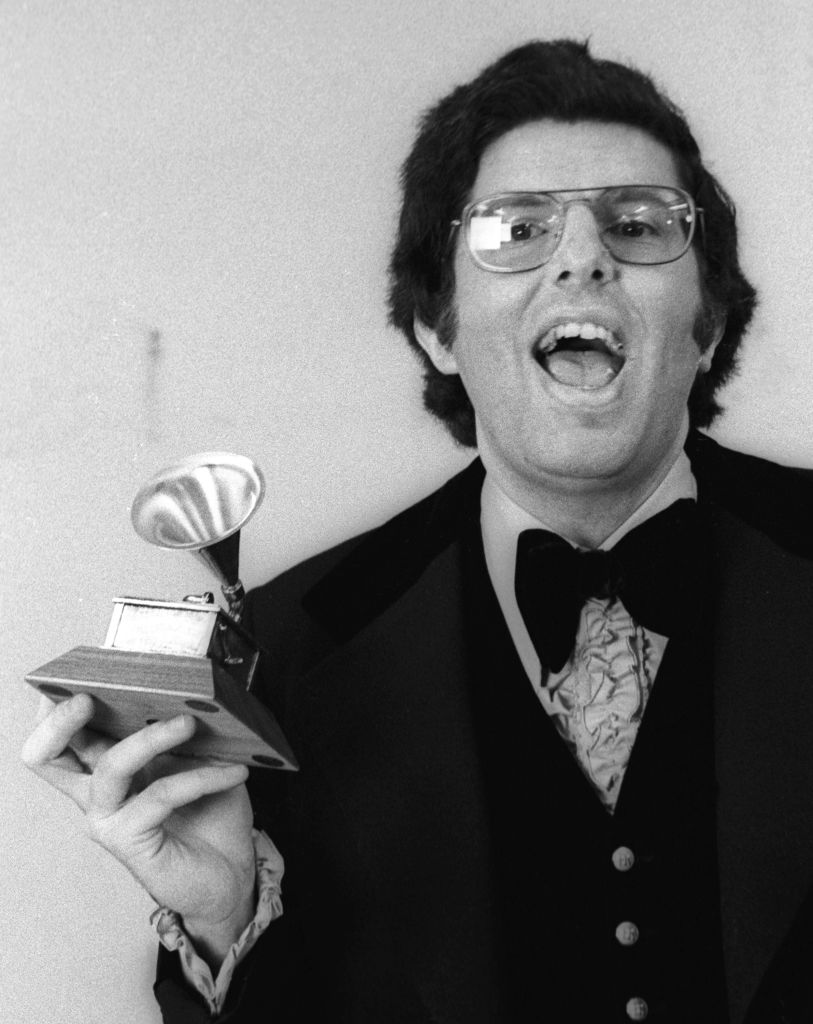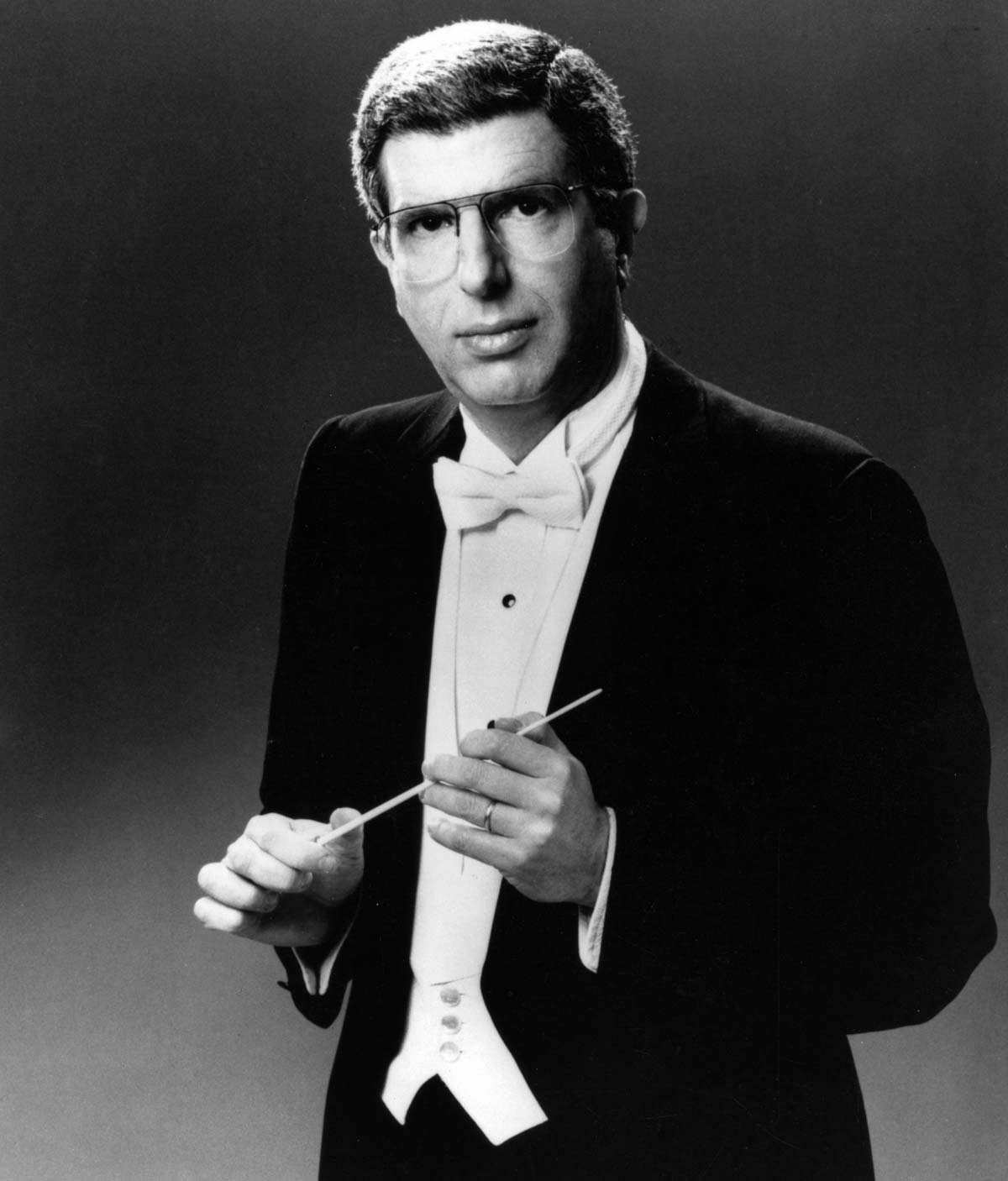
Accomplishments

Awards | Works

Awards as Composer
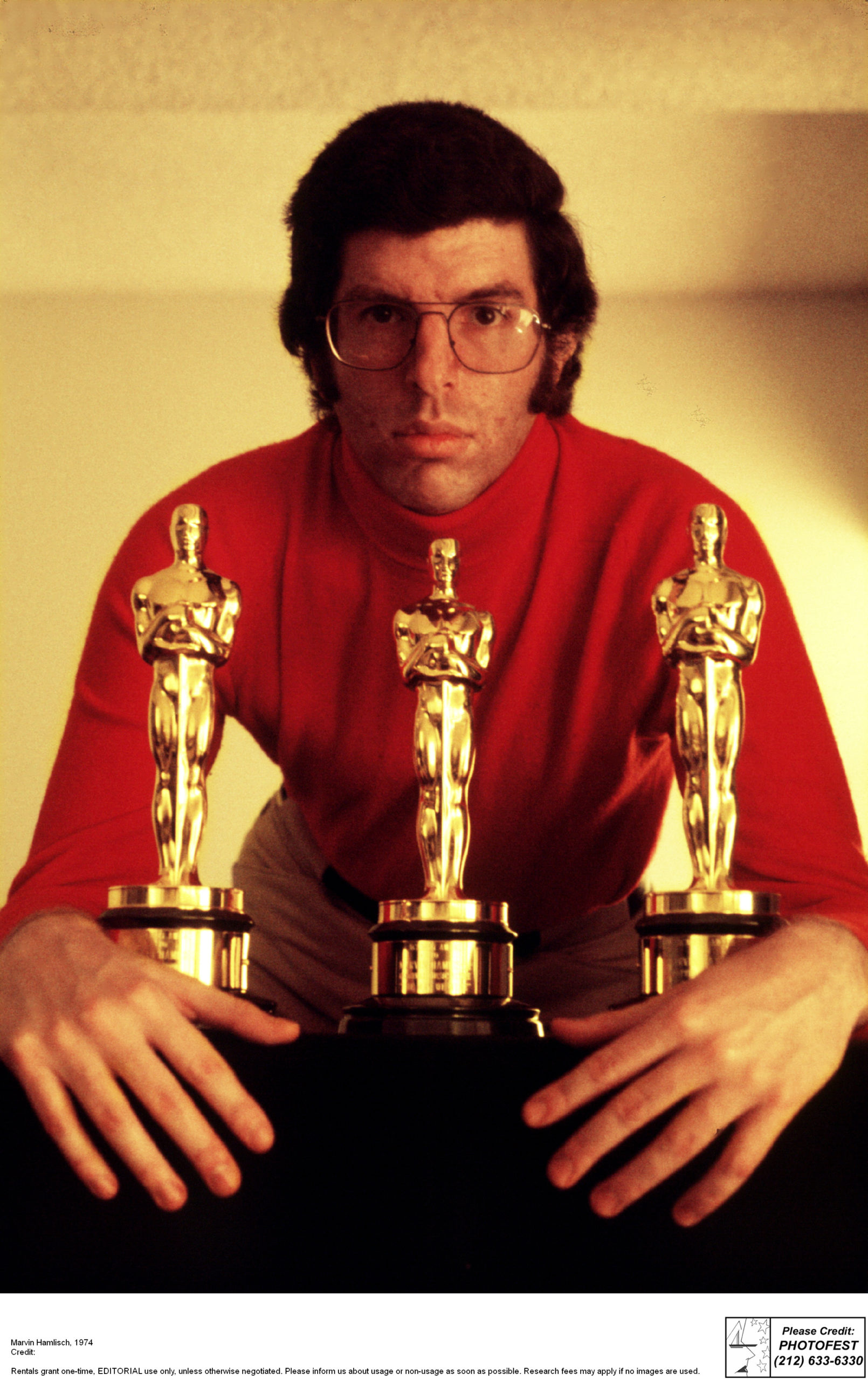
4 Emmys
4 Grammys                                                       
3 Golden Globes

3 Oscars
1 Pulitzer Prize
1 Tony
  
 
Works
A Chorus Line
Imaginary Friends
Sweet Smell of Success
The Goodbye Girl
Smile
They’re Playing Our Song


 “A CHORUS LINE”

Opened April 15, 1975 at the Public Theatre in New York; moved July 25, 1975 to the Shubert Theatre. (6137 performances)

It’s 30 years since “A CHORUS LINE” danced into our lives, fourteen since it finally said goodbye. One of the longest-running shows in Broadway history. Nothing will ever supplant it in the hearts of a great many theatergoers.            A Chorus Line, the revival 

A Chorus Line Documentary / Film : Every Little Step

The human struggle behind the songs:

Every kid who ever came to New York to work in and around the theater, or anybody who dances for a living in that milieu, will immediately connect with the stories of the characters of A Chorus Line, and upon listening to them will say, “That’s me.”

Which may explain why this is such an emotional show for so many people. A Chorus Line may not stand as the greatest musical in Broadway history, but it’s hard to think of another (all right, “WEST SIDE STORY) that seemed to stir up such feelings on such a scale.

Within the theater community, A Chorus Line will endure as the career pinnacle of the director/choreographer Michael Bennett. The promise of his work on Company and Follies flowered here; the subsequent disappointment of Ballroom would not have seemed so harsh without this towering behind it. Then came Dreamgirls, which was an interesting hit, but not on this level of achievement. And then, what seemed an instant later, Bennett was gone. He wrote neither book nor score for “A CHORUS LINE”, but this is his monument, as personal a statement of “THIS IS WHO I AM” as any Broadway-musical creator has put on the stage.

The world knows that in 1974 Bennett tape-recorded the reminiscences of a group of “gypsies”- Broadway chorus dancers, eight of whom would be a part of this original cast- bought the rights to those stories, and convinced Joseph Papp of the non-profit Public Theater to bankroll a workshop that would develop them into a stage musical.

What emerged was a show with no stars, no set, and almost no plot. This struck people as daring in 1975; given what’s been on the Broadway stage in the intervening two decades, “astounding” seems more like it. So much has been written about Papp’s contributions to the theater, but this is all you really need to know: With a non-profit company that was a million and a half dollars in the red, he put up half a million more for no starts, no set, etc., and a creative team which, aside from Bennett, had virtually no track record in the theater. And it worked, and the profits funded the Public’s other work for 15 years. It just about restores your faith in miracles; when you realize that nothing like it has happened since, you see how miraculous it was.

Bennett began pulling together his irregulars at that first taping, offering them a dazzling hundred dollars a week to do the workshop. Nicholas Dante, the original author, was one of those dancers; his recollections form the basis of Paul, the gypsy who debuted in a drag show. James Kirkwood, a novelist and playwright who had been an actor, was brought in to condense, edit, and dramatize.

Lyricist Ed Kleban (a former Columbia Records executive) made his Broadway debut here. But Marvin Hamlisch was already such a name that it’s easy to forget this was also his first Broadway Score. Hamlisch had been one of those teen phenomenons of the Brill Building school, writing the not-bad-at-all “SUNSHINE, LOLLIPOPS AND RAINBOWS” for Lesley Gore when he was 16. He made the most of some movie connections and began writing film scores, including, memorably, Woody Allen’s Take the Money and Run, and Bananas, before striking it rich with the score and theme song (and Barbra Streisand standard) from “THE WAY WE WERE”. That won him his first two Oscars; the third came for his adaptation of Scott Joplin’s “THE ENTERTAINER” in the motion picture “THE STING”.

A nanosecond after their Broadway opening, April 15, 1975, before any critics had even had a chance to weigh in, all tickets disappeared. Two months later-it could have been two minutes- they transferred uptown to the Shubert, and the critics fell all over themselves. “The conservative word…might be tremendous, or perhaps terrific,” wrote Clive Barnes in the New York Times. “Possibly the most effective Broadway musical since Gypsy,” said Michael Feingold in the Village Voice.

Douglas Watt, in the Daily News: “I’ve seen it four times now, and each time I’ve left the theater exhilarated after two hours of almost total absorption capped by the most inventive and satisfying final ever devised for a musical.” And Martin Gottfried in the Post: “A dazzling show; driving, compassionate and finally thrilling. It is a major event in the development of the American Musical Theater.”

They won everything, the Pulitzer Prize, the New York Drama Critics Award, and nine Tonys, including best musical, two for Bennett (choreography and direction), score, book and cast members Donna McKechnie, Sammy Williams and Carole (Kelly) Bishop. For once, the nobodies- the people in the back, behind the star- triumphed.

Who doesn’t know this story? No curtain, a bare stage with a line painted across it, a dance mirror that comes and goes. Final auditions for dancers in a never-named Broadway show. 24 hopefuls will be cut down to eight, four “boys” and four “girls.” And that’s the suspense, sort of like The Towering Inferno without the special effects, wondering if your favorite will be picked off.

“I HOPE I GET IT”:

The only background you need is that the market for New York show dancers is (was, always will be) drying up. Age and injuries give these “kids” the professional lifespan of a pro football player. They live on part-time jobs and unemployment checks. No wonder each is secretly chanting “I HOPE I GET IT”.

Zach will make the choices. Looks and dance are what count, but he also wants (as never in real auditions) to know something about each of the dancers. The dancers can’t believe it; they don’t want to talk about themselves; but one by one, under pain of dismissal, they tell their stories.

“I CAN DO THAT”:

Mike is an Italian kid from Trenton, NJ. He tagged along to his sister’s dance classes, told himself “I CAN DO THAT”.

“AT THE BALLET”:

For a lot of the women, it started with ballet lessons, which provided either a refuge from a substitute for what was going on at home or, as Sheila, Bebe and Maggie tell us: “AT THE BALLET”.

“SING”:

Al and Kristine are husband and wife. Al habitually finishes her sentences. Like everyone else, Kristine always dreamed of seeing herself in the movies, but as Doris Day, not Ann Miller. The only problem is, she can’t “SING”.

“HELLO TWELVE, HELLO THIRTEEN, HELLO LOVE”:

The conversation turns to sex, love, growing up, in “MONTAGE” (a.k.a. HELLO TWELVE, HELLO THIRTEEN, HELLO LOVE”), in which nearly everyone participates.

“NOTHING”:

Preceded by the story of Diana Morales a girl from the Bronx who got into the High School of Performing Arts but ran afoul of her Stanislasvky-crazed drama teacher, for whom she could feel “NOTHING.”

“DANCE: TEN; LOOKS: THREE”:

The, er, keys to success in landing dance jobs are now bluntly spelled out for us by Val, in the song that all the world knows by another name but here goes by “DANCE: TEN; LOOKS: THREE”.

“THE MUSIC AND THE MIRROR”:

We’ve said early on that Zach knows some of these dancers already. What we don’t know until well along is that Zach used to be involved with Cassie; she left because all he cared about was his work. Now, having failed in her efforts to graduate to acting parts in Hollywood, Cassie has come back to New York, desperate for work, any work, and swearing to her ex-lover that all she needs is “THE MUSIC AND THE MIRROR”.

Not here, but impossible to neglect is a monologue form Paul, a Puerto Rican kid who worked in a drag show, and recounts the story of the day his parents found out. From the moment he recalls how his father told the show’s producer, “TAKE CARE OF MY SON,” the audience wants Paul to succeed most of all.

“ONE”:

The group has long since dwindled from 24 to 16; the final cutdown approaches, as Zach takes the dancers, through the new show’s big number, “ONE”, Hamlisch and Kleban’s clever spoof of/thrilling tribute to those colossal Jerry Herman showstoppers of the Sixties.

“WHAT I DID FOR LOVE”:

And Paul goes down with a knee injury. As he’s taken off to a hospital, through with dancing for now, maybe forever, Zach asks the remaining company what they’d do if today were the day they had to stop dancing. Regret nothing, Diana answers for all: “WHAT I DID FOR LOVE”, the torchy “11 O’CLOCK NUMBER” that is this show’s most enduring pop favorite.

At the very last moment, with no time for sentiment or anything else, zach announces his decisions: Diana, Cassie, Mike , and Val are among the lucky ones. As the unchosen walk off, the music starts again, and we see what they’ve been working toward: a full-blown reprise of “ONE”, all glitter and top hats. They’re brilliant, yet we see them as the audience never will, because on stage the still-absent star will outshine them. A Singular Sensation, all right.

This article was based on Mr. Marc Kirkeby’s comments.


ANATOMY OF PEACE”

 “ANATOMY OF PEACE” was a famous book by Emery Reves which expressed the world federalist sentiments shared by Albert Einstein and many others in the late 1940s, in the period immediately following World War II.
The Dallas Symphony Orchestra performed a symphony by Marvin Hamlisch called “ANATOMY OF PEACE” on 19 November 1991.

The composer noted:

I decided that Reves’s call for one law for us all could be defined by a simple, clear, plaintive theme, and that the orchestra would represent all the nations of the world and their different rules of law. The suite begins with the nations of the world in loud, cacophonous uproar. Suddenly, a solo flute introduces the “ONE LAW” theme, beckoning to us all; one law bringing us all together. But each section of the orchestra (our world) initially resists the call, since old habits are hard to break. The brass and the woodwinds are first to display their dislike of this new idea. But the flute acts as a magnet and slowly its pull (its logic) is felt, first by the woodwinds. When the theme returns, it is not alone. The strings, a big part of our world, must now be convinced, and finally they are. Our theme is now given words, first introduced by a solo child, and then sung again by a children’s chorus. Slowly the irresistibility of the idea begins to weave a spell on the orchestra and the penultimate section of the piece is a contemplative one, as the world thinks about what the new world order would be. Finally, Reves’s dream is musically realized, as the entire orchestra accepts the “ONE LAW” concept.

Back to Top